
Shotgun Licence Appeals – frequently asked questions
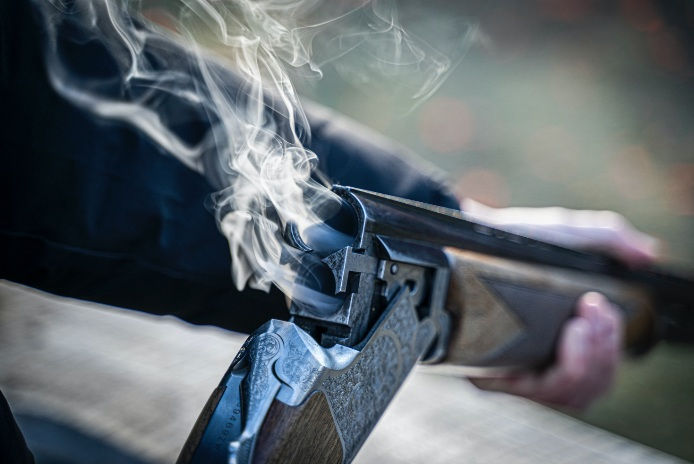
This FAQ article answers the most common questions about appealing shotgun licence refusals or revocations. It covers the law, police decision-making, appeal procedure, evidence requirements, and what applicants should expect.
On this page:
Specialist Shotgun Licence appeal Barrister Quentin Hunt outlines the law and procedure in respect of shotgun licence appeals in England and Wales. This article is designed to supplement previous articles which give a detailed outline of the law and procedure in such cases which can be found here.
As a Barrister specialising in Firearms Law, I frequently assist clients in appealing decisions to refuse or revoke shotgun licences. The process can be complex, and recent indications show that, following the Keyham shooting, the Government are proposing to make the law even tougher in respect of firearms licencing. However, with the right legal approach, many applicants can succeed in overturning an adverse Police decision. Below, I answer some of the most common questions about shotgun licence appeals.
What is a Shotgun Licence Appeal?
A shotgun licence appeal is a legal process in the Crown Court that allows individuals to challenge the refusal or revocation of their shotgun certificate by the police or licensing authority. This appeal is heard before a judge and two magistrates in the nearest Crown Court to the appellant’s home address.
Why has My Shotgun Licence Be Refused or Revoked?
Under Section 28(1) of the Firearms Act 1968, the police may refuse to grant a shotgun certificate if they are not satisfied that the applicant has a good reason for possessing a shotgun or if they believe the applicant is a danger to public safety or the peace if allowed to hold a licence. Similarly, under Section 30C of the Firearms Act 1968, a shotgun certificate may be revoked if the chief officer of police believes the holder is a danger to public safety of the peace.
Example of reasons for refusal or revocation that I have seen in cases that I have been involved in include:
- Applicant’s history of criminal convictions (especially violence or firearm-related offences).
- Concerns about mental health, alcohol or substance abuse.
- Domestic violence or other behaviours involving violence or breach of the peace
- Disputes or allegations of threatening behaviour. Particularly neighbour or intra family disputes.
- Lack of a demonstrable reason for possessing a firearm (e.g., sporting, pest control, or work-related use)
- Lack of a responsible attitude towards firearms/shotguns. This can include the mishandling of firearms, threats involving firearms or the unsafe security or transportation of firearms and ammunition
- Association with criminals or criminal groups
What my clients find particularly difficult to understand, is that the police will often base their decisions on rumour, hearsay or intelligence. This will often involve the police putting forward baseless and unproven allegations that are strongly contested by those who are subject to the refusal or revocation. Putting together evidence to refute such allegations can be the key to success in appeal cases.
How Do I Appeal a Police Shotgun Licence Decision?
If your licence has been refused or revoked, you have the right to appeal under Section 44 of the Firearms Act 1968. The appeal must be lodged within 21 days of receiving notice of the decision. So, it is crucial to act quickly, as missing this deadline will mean losing the opportunity to challenge the decision.
The appeal is heard in the Crown Court, where the Court will review the case on its merits and come to a fresh decision. This means the court will not simply review the police decision but will make a fresh determination based on all available evidence.
What process will the Court will follow in a Shotgun licence appeal?
The Court should consider the case afresh, including any matters that may have come to light since the chief officer of police’s decision was made. No strict rules of evidence apply, although of course the principles of natural justice govern the proceedings (R (Mason) v Winchester Crown Court [2018] EWHC 1182 (Admin). The court must consider the information that was before the chief officer of police at the time of the decision and may also consider any other material that may be placed before it (Kavanagh v Chief Constable of Devon and Cornwall [1974] QB 624). The court must have regard to statutory and other official Guidance when determining the appeal.
What Evidence Can Strengthen a Shotgun Licence Appeal?
Putting forward cogent and powerful evidence is the key to a successful shotgun licence appeal. Each case will require different evidence, dependent upon the grounds upon which the chief constable asserts that an individual is unfit to hold a firearms licence or shotgun certificate. Therefore, it is difficult for me to outline anything other than general principles. However, I have found that useful evidence includes:
- Where a client's account differs from the information put forward by the police, witness statements from those involved showing that the version of events put forward by the police is incorrect
- Were objective evidence exists, such as emails, text messages, CCTV or video evidence this is very useful in showing that a client's account is correct where it differs to that put forward by the police
- Character references from employers, club officials, or respected individuals
- Medical reports demonstrating mental and physical fitness
- Evidence of a good reason for needing a firearm (e.g., membership of a shooting club, land management responsibilities, or sporting requirements)
For example, in Chief Constable of Essex v. Germain [1991] Crim LR 265, the court emphasized that the decision must be based on clear and cogent evidence rather than mere speculation.
What Happens at the Appeal Hearing?
The appeal is a full rehearing, not just a review of the police decision. Both the appellant and the police will present evidence and call witnesses. The judge will then determine whether the refusal or revocation was justified.
Possible outcomes
Possible outcomes would be that the appeal is successful, and the licence is granted or reinstated, or the appeal is dismissed, and the refusal or revocation stands.
In some rare cases, an appeal can be adjourned, often to allow for further evidence.
Can I Represent Myself in a Shotgun Licence Appeal?
While it is legally possible to represent yourself, appeals involve complex legal principles, and the police will be represented by an experienced barrister or solicitor. Having specialist legal representation significantly improves the chances of success.
Costs in Shotgun Licence Appeals
The costs of hiring a lawyer to represent you world depend entirely upon the complexity of your case and the amount of work that needs to be done.
If and appellant is successful in therapy L, it is very rare for them to be able to recover the costs they have spent pursuing the appeal. The principle being that costs can only be recovered as against the police if the police have been found to have acted vexatiously or unreasonably in the exercise of their discretion to refuse or revoke a licence or certificate.
My clients often find it very unfair that the reverse is not true. If a shotgun licence appeal is unsuccessful then the Police are entitled to apply for their costs reasonably incurred in resisting the appeal application. Shotgun licence appeals can be quite costly, and clients often find it useful to have a triage advice session with a lawyer in order to find out whether their appeal has a reasonable prospect of success.
How Can I Improve My Chances of Success?
From my experience, the best way to prepare for an appeal is to:
- Act quickly to meet the 21-day deadline
- Gather strong evidence to support your case
- Seek expert legal advice early in the process
By approaching the appeal in a structured and legally sound manner, you maximize your chances of regaining your shotgun licence.
Quentin Hunt is a barrister who specialises in dealing with shotgun licence appeals and has dealt with such cases for over 25 years. He accepts instructions both through solicitors and directly from members of the public. He has an excellent track record in such cases. If you have had a shotgun certificate or firearms licence refused or revoked, you may contact Quentin for a free, no obligation discussion about how he may assist in your case.
Quentin Hunt is known throughout the legal industry for his exceptional skill, fearless approach and honest, courteous attitude.
An award winning Barrister with over two decades’ specialist experience in criminal law.
Contact Quentin for advice in your case and get a second opinion.
Areas of Practice
General Criminal Law
Quentin’s proven track record as a barrister of skill, expertise and determination makes him the ideal choice to fight your corner and ensure that justice is done.

Fraud, Money Laundering & Serious Financial Crime
Quentin Hunt is widely respected amongst peers and clients for his expertise in fighting fraud, pharmaceutical and money laundering cases.

Health & Safety
Quentin specialises in cases where individuals, self-employed persons and companies are accused of breaches of the Health and Safety at Work Act.

Planning Enforcement
Planning enforcement barrister with a reputation for excellence and results, Quentin is ready to discuss any aspect of your case.

Road Traffic & Driving Offences
Quentin has a reputation as one of the UK's premier Road Traffic lawyers and is the go-to choice for celebrities who need legal advice to keep their driving licences.